
Monkeymedia Editorial Team
The Biggest Graphic Design Trends of 2022


Contents
- NEWSLETTER
The year 2022 brought fresh ideas to graphic design. Some replaced familiar techniques; others gave them new life. Here are the trends that shaped the year and were expected to influence the next one.
Combining 2D and 3D

Source: Instagram.com
In 2022, designers combined 2D and 3D elements to create visuals that blur the line between digital and physical worlds. 3D tools give designers many ways to bring an idea to life.
The contrast between 2D and 3D can draw attention and add depth. Its growing use suggested it might remain a notable trend in 2023.
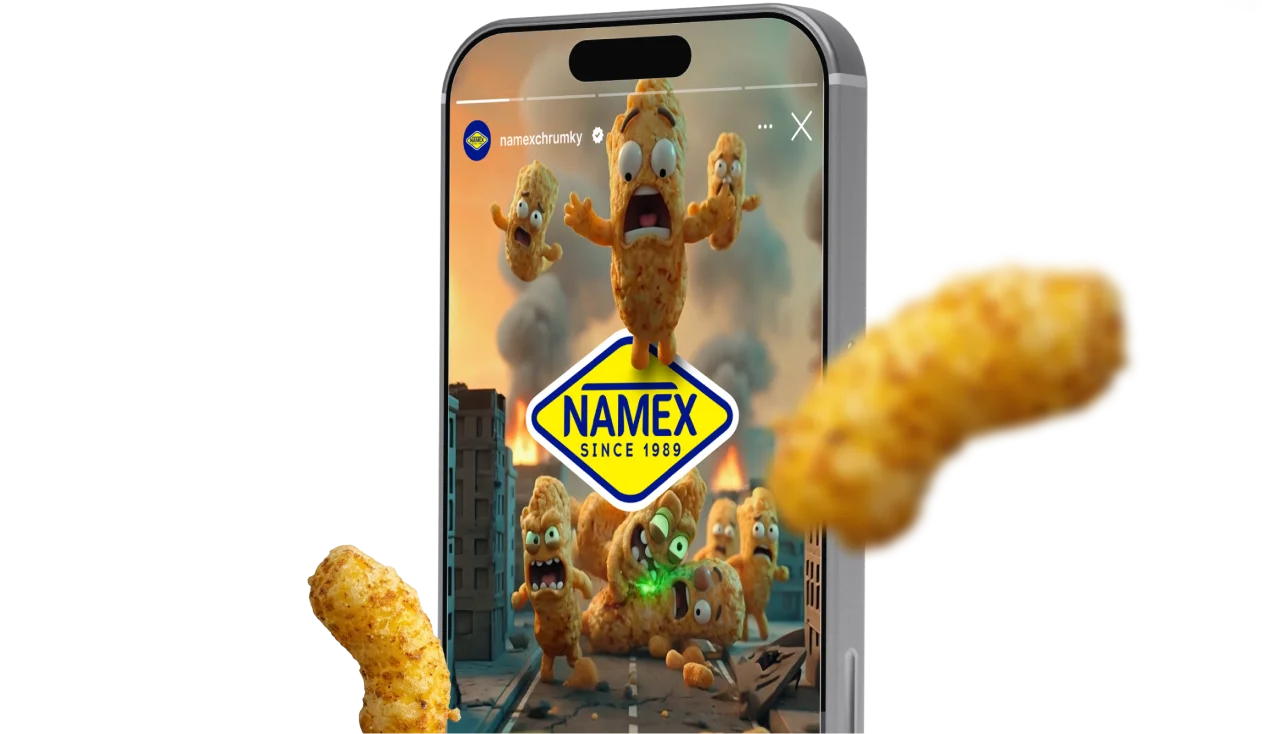
3D characters

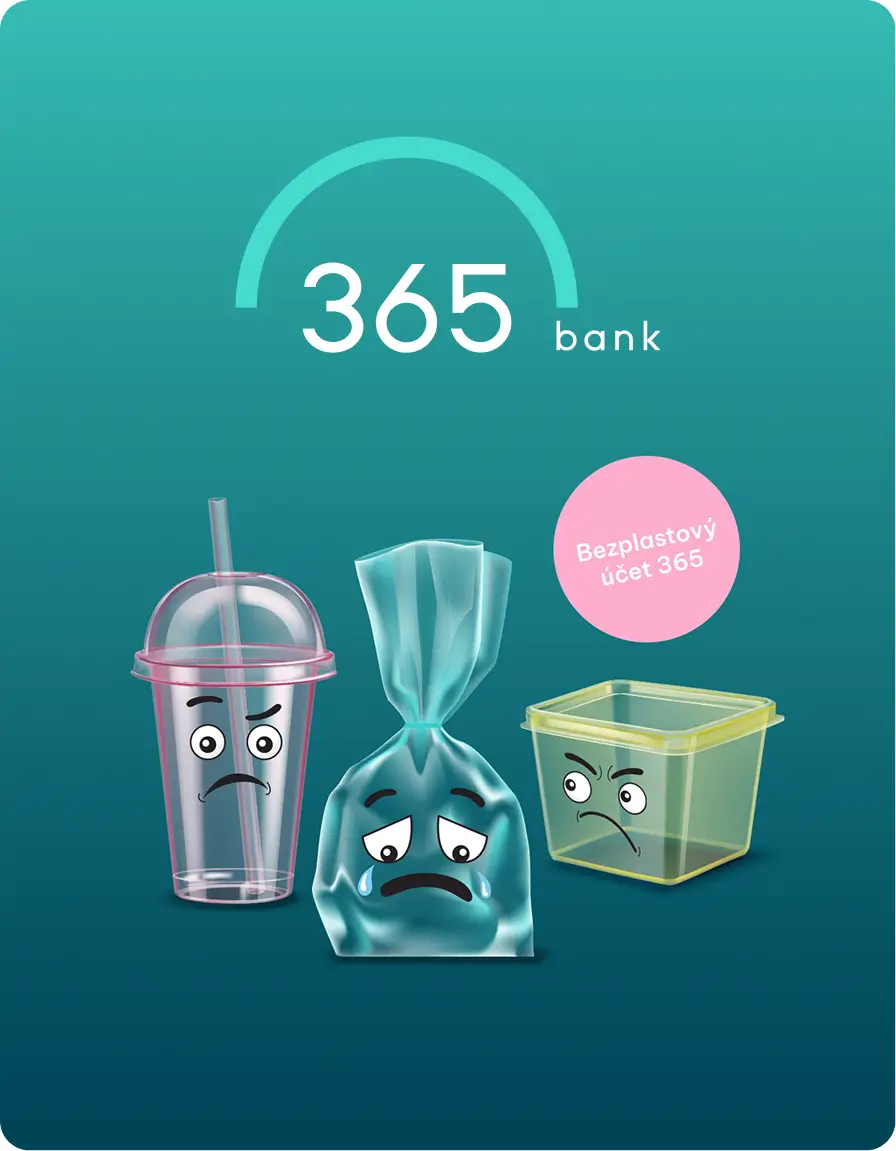
A distinct part of 3D design is character design. In 2022, 3D characters appeared on websites, in apps, animations, and social posts. They stood out for their playful shapes and bright pastel colors.
Bright colors

Creating websites or apps that stand out was increasingly challenging. One way to attract attention was a bold mix of bright colors. These combinations can make digital graphics hard to overlook.
To add another layer of interest, combine those colors with 3D elements. Colorful characters, lettering, and objects can create a distinctive look.
Unconventional typography

Designers have long used type as more than a way to convey information. In 2022, some moved away from neat, symmetrical lettering toward typography with varied sizes and unexpected placement.
Unusual type need not be static. In logos, websites, or apps, letters can shift in shape, scale, or arrangement.
Geometry and symmetry

Source: Instagram.com
Alongside expressive color, designers also embraced clean, simple symmetry. It can feel elegant and timeless. Often built with 2D graphics, it could also incorporate 3D elements.
The return of Art Deco

Source: Instagram.com
Art Deco also draws on geometry and clean lines. The style emerged in the twentieth century and brought a sense of order and harmony.
Art Deco returned in 2022 as an option for people drawn to simpler compositions. Alongside symmetry, the style often uses contrast and darker shadessuch as black, charcoal, deep purple, and gold.
Holographic design

Holographic effects appeared in fashion, print, and digital work. Their shifting colors suggest movement even in a still image, making them useful for websites, apps, logos, and animation.
The 1960s and 1990s

Designers drew on two decades in particular: the 1960s and 1990s. Psychedelic colors inspired by the 1960s appeared in animation and motion graphics, and began to influence typography and static digital design too.

The 1990s inspired another bold look, with vivid colors, grainy textures, and simple shapes. Minimal type and geometric elements often appeared alongside flat, 2D graphics.
Translucent elements and frosted glass

A visual trend that worked in both digital and print design was translucency and frosted glass effects. These effects pair well with pastels and 3D graphics.
Translucent elements can define a website, app, or animation, or serve as a subtle detail within a larger composition.
Risograph printing

Source: Instagram.com
Risograph printing is known for vivid colors and a distinctive texture. The process was developed in the mid twentieth century and appealed to artists because it could print images in rich colors. Its use later declined as other printing methods spread.
In 2022, its look returned to graphic design and complemented other colorfultrends.
Paper cutout graphics

Paper cutout styles bring a sense of nostalgia. Paper cutting has a long history as a craft.
Cutout shapes can appear in animation or still images. They can also inspire layered 3D graphics.
Futurism

Source: Instagram.com
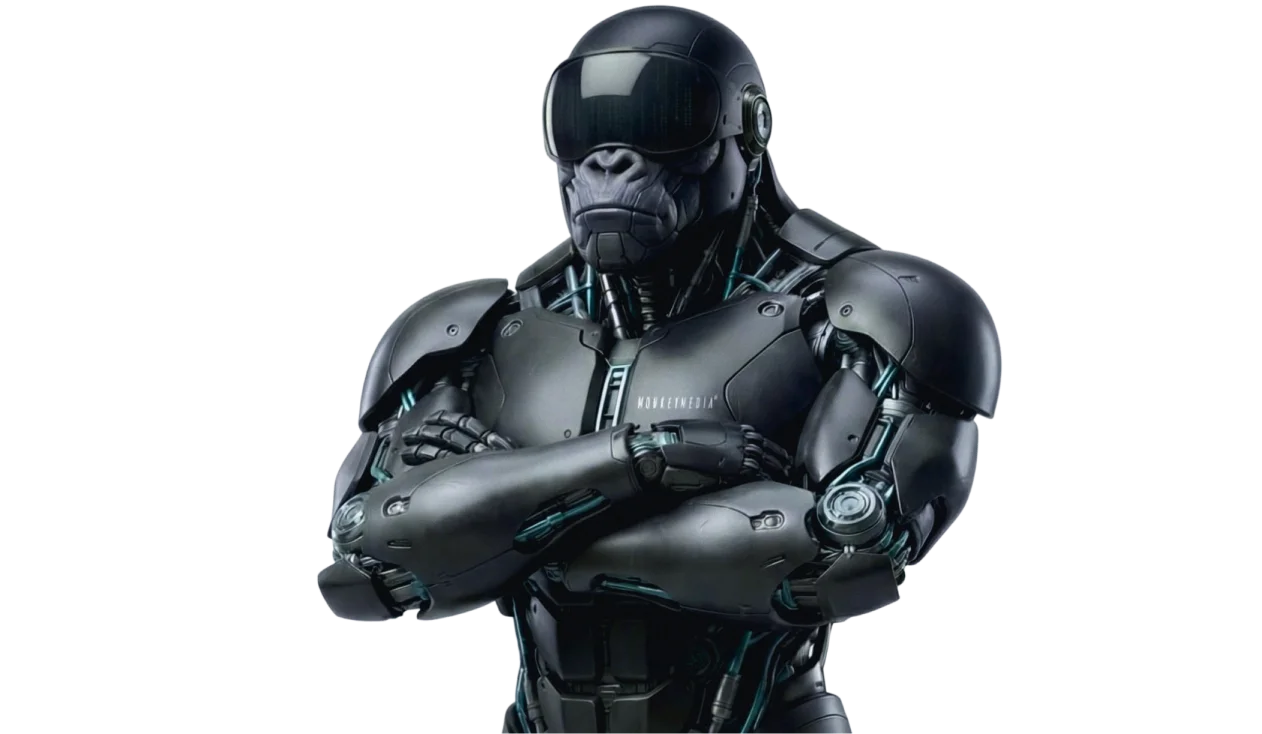
Futurist visuals often feature minimal forms, metallic shades, and asymmetry. They draw on science fiction and imagined futures.
In digital design, futurism can use dark backgrounds, abstract shapes, neon details, and unusual type. In 2022, it was often paired with 3D and holographic effects. Translucent elements can work in the same visual language.
The Ukiyo-e style

Ukiyo-e is a Japanese art tradition that flourished from the seventeenth to nineteenth centuries. Its prints often depict landscapes, flowers, people, and stories, with rich, contrasting colors.
In 2022, Ukiyo-e inspired work in graphic design. Its color and composition fit naturally alongside other expressive trends.
Anti-design

Anti-design also gained attention in 2022. It rejects traditional rules of design and visual harmony. The resulting graphics may ignore symmetry and conventional color pairings.
Anti-design divides opinion. Some see it as chaotic; others value the freedom to make something unexpected and original.
Design that sparks joy

Source: Instagram.com
After difficult years, designers turned to bold, colorful, playful graphics intended to lift the mood and make people smile.
This playful approach appealed to designers and to users of websites and apps. The article expected it to remain popular.
Používate na webe a v reklamných kampaniach aj vy dizajny, ktoré sú v súlade s najnovšími trendmi, alebo sa spoliehate na niekoľko rokov staré grafiky? Contact us to bring fresh ideas to your brand communication.
- RECOMMENDED
You might also like

  September 22, 2026
  September 22, 2026
  September 22, 2026