


Monkeymedia Editorial Team
CGI in Marketing: How to Give Your Brand a Competitive Edge in the Digital World


Contents
- NEWSLETTER
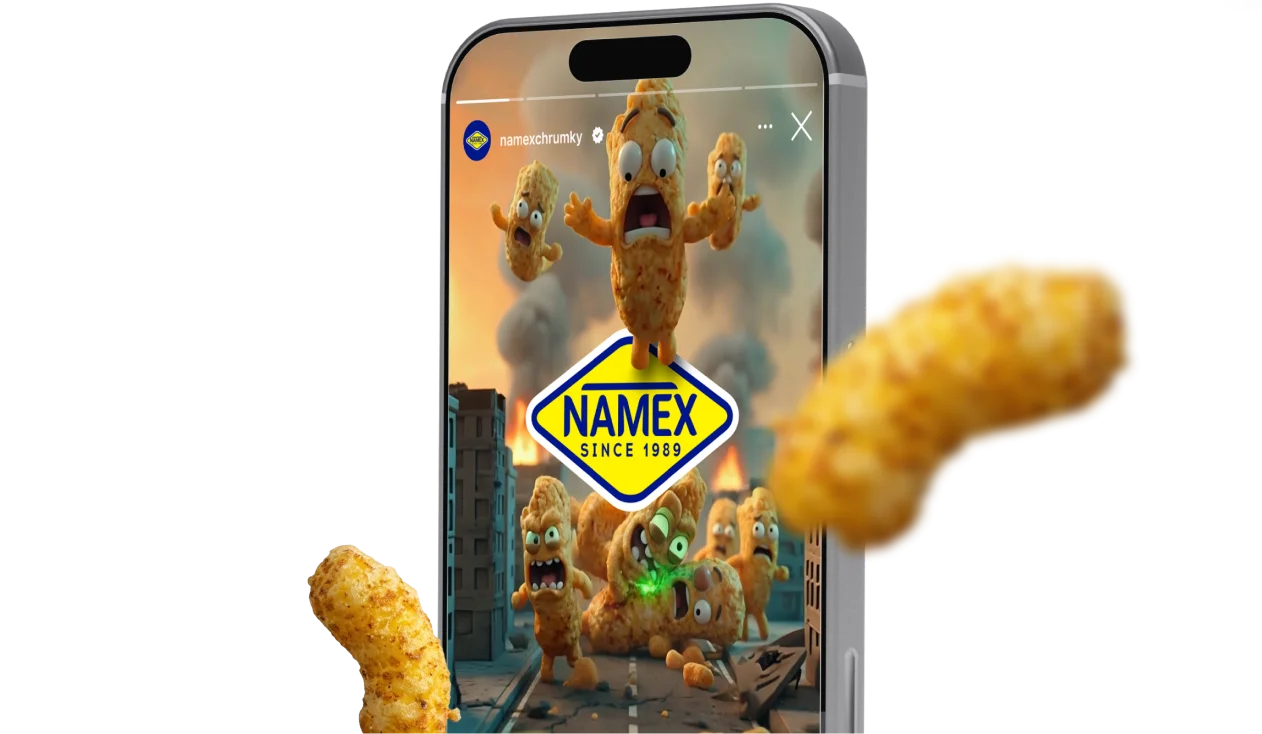
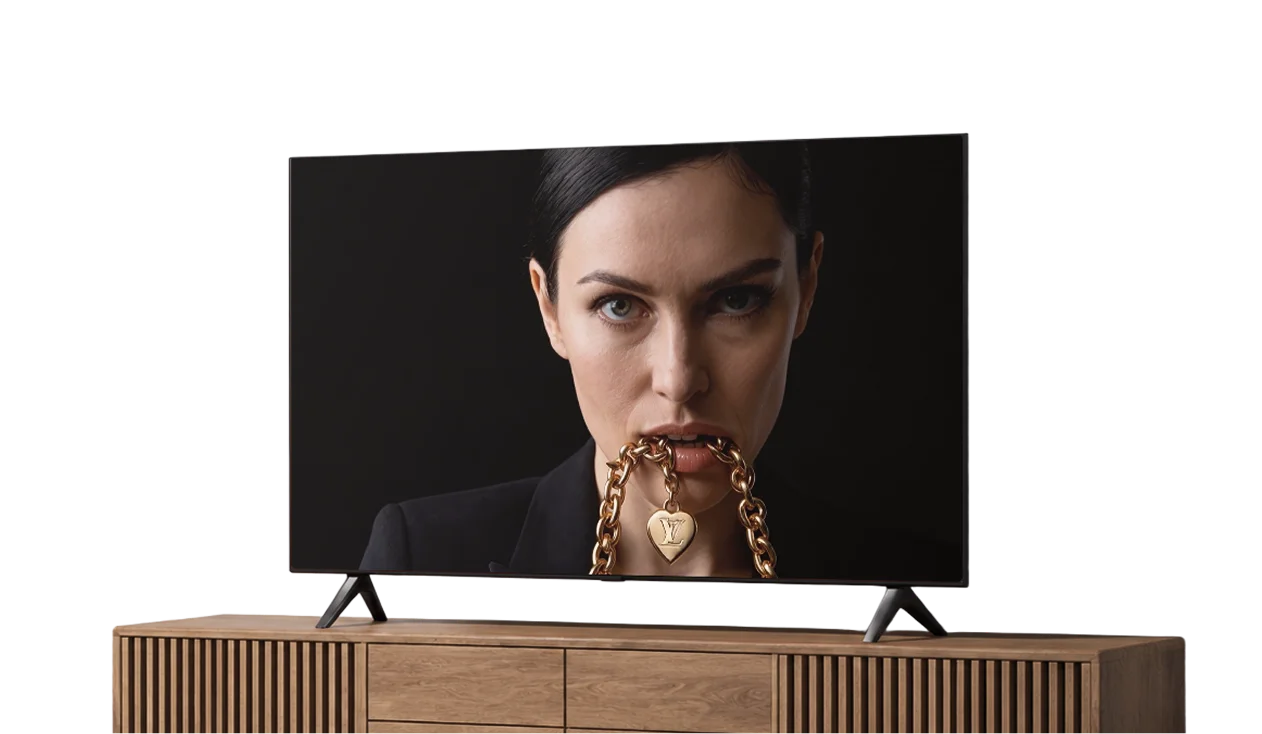
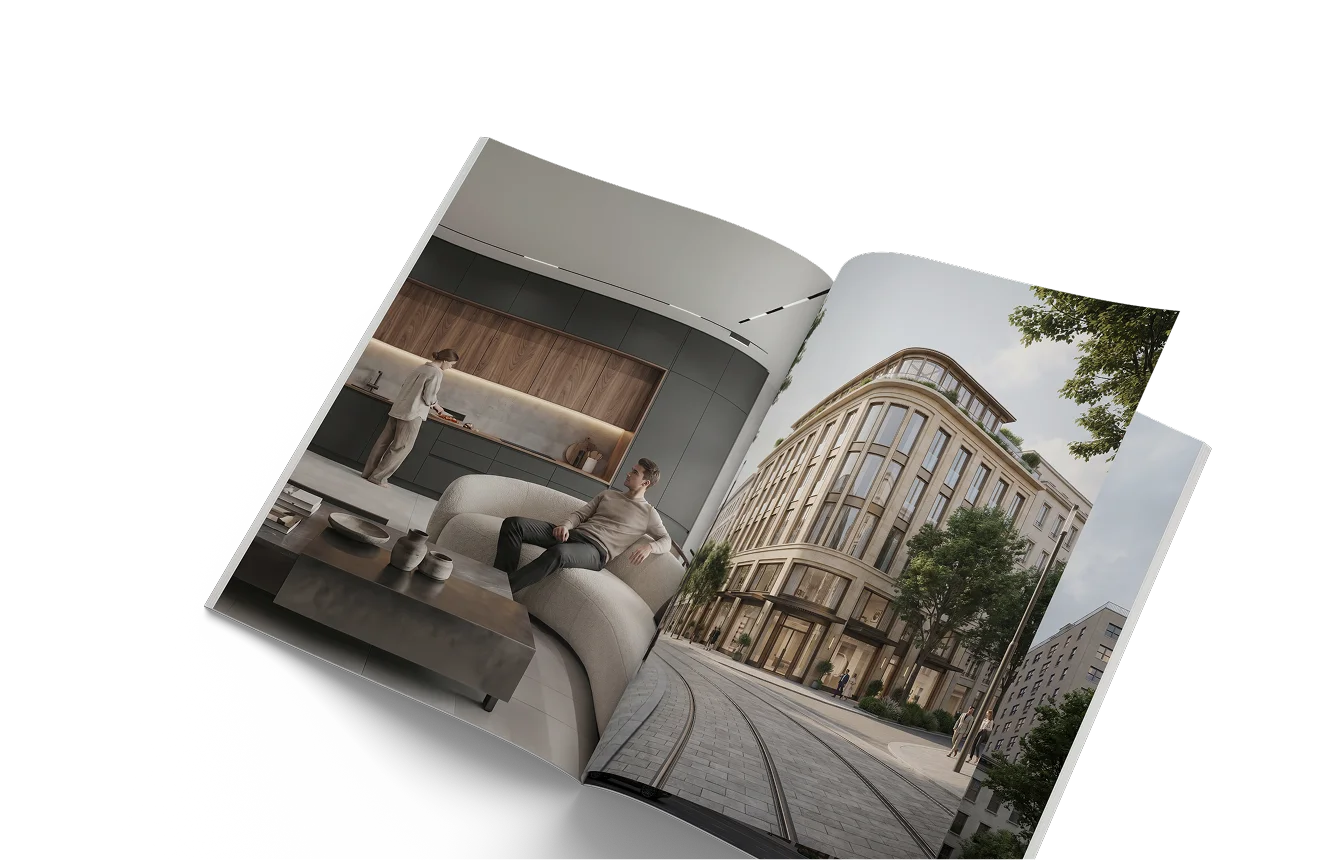
The world of advertising is changing right before our eyes. What we once knew only from movies is now appearing in marketing campaigns all around us. Hyper-realistic visualizations allow us to see incredible scenes and dynamic stories, fundamentally changing the way we perceive brands. That’s why it’s worth keeping an eye on this trend, which is revolutionizing the creation of engaging content and pushing the boundaries of creativity.
What is CGI?
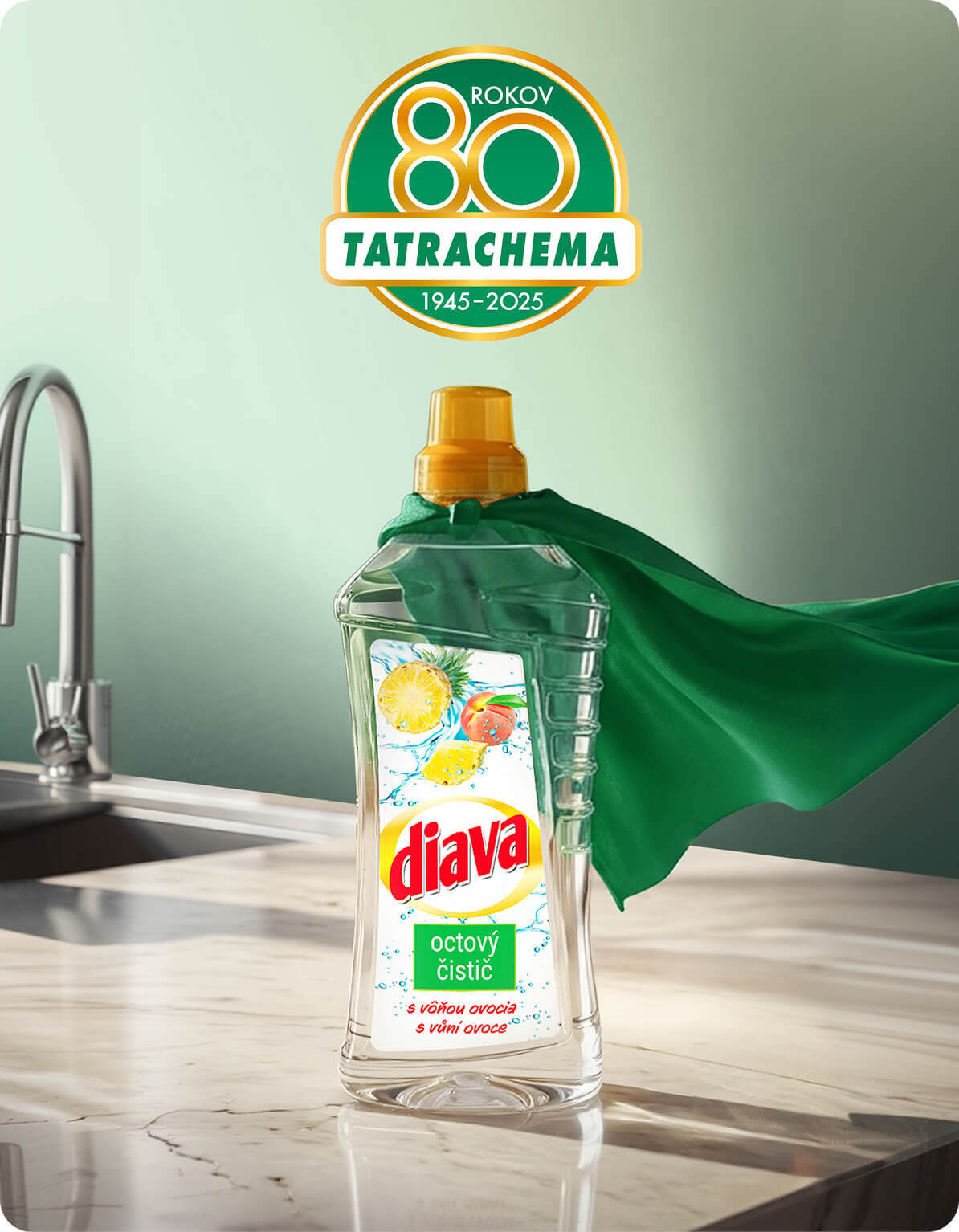
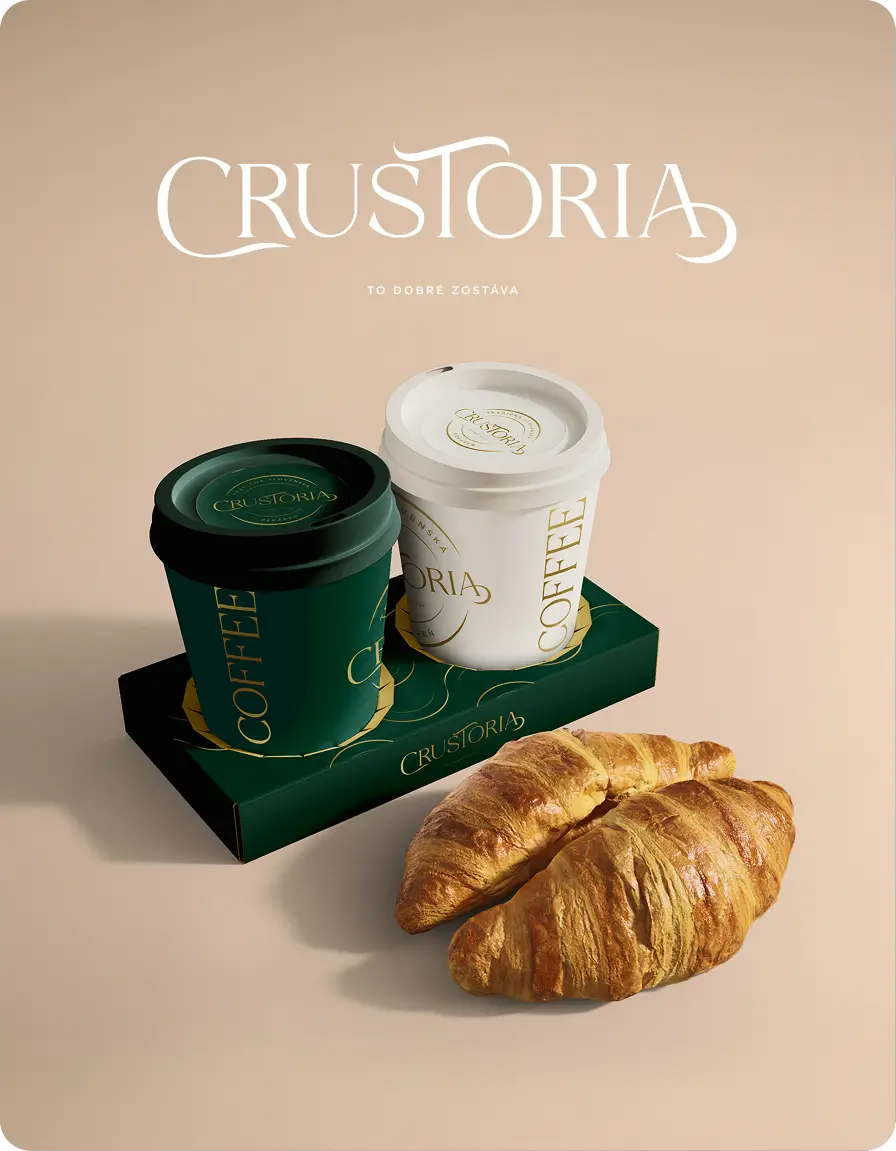
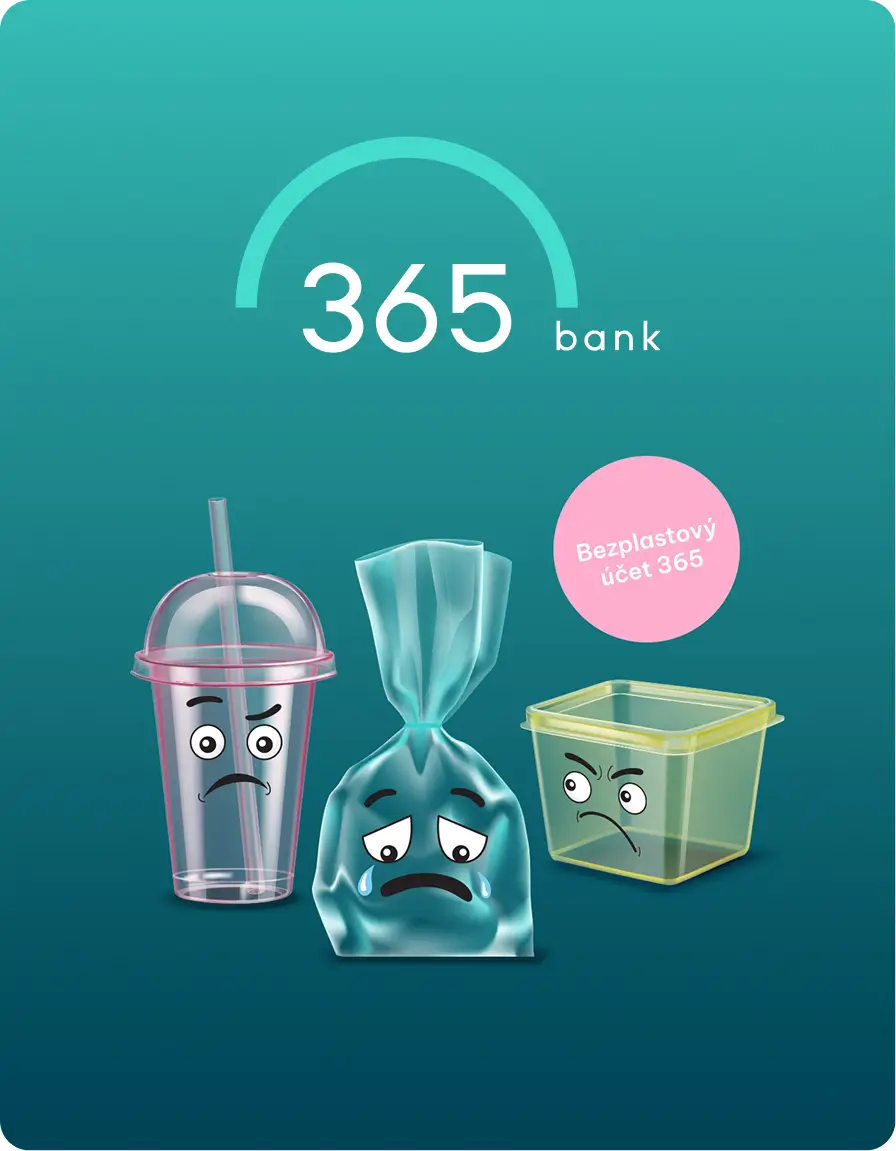
CGI, or Computer-Generated Imagery, is the creation of visual content (both still and moving) using a computer, without having to actually photograph or film anything. Thanks to CGI, we can achieve „miracles“ that would be either incredibly expensive, time-consuming, or completely impossible in the real world.
Traditional photos and videos rely on capturing the “real” world, and to create them, you need a lot of things—such as a camera, lighting, sets, casts, and often travel expenses as well, if you decide to shoot a scene in an exotic location.
Reasons for the Growth of CGI in Marketing
It is precisely because of its ability to combine emotive visuals with effectiveness that it offers unique benefits. Here are the main reasons why CGI is becoming increasingly popular and going viral.
Creative Freedom
Unlimited possibilities
You can create scenes, situations, and objects that would be impossible in the real world—such as levitating products or futuristic cities. With CGI, there are no limits. Any idea, no matter how crazy, can be turned into a visual that will take the viewer’s breath away.
Use Case
Brands no longer have to spend days searching for the perfect location or devote hours to perfectly lighting a studio space. Thanks to CGI, they can simply create a digital world tailored exactly to their vision and preferences.
Increasing Awareness and Engagement
“The ”WOW” effect
When hyperrealistic visuals capture a viewer’s attention, it’s not just that they’re watching the ad—they want to share it, comment on it, and send it to their friends. The result is that your brand gets more buzz, the reach of your posts increases, and the chances that people will remember it go up. Engaging an audience that interacts with the ad is precisely the moment when product awareness is taken to the next level.
Cost-Effectiveness
- Cost Savings in Production: No physical locations, studio rentals, travel expenses, or set construction. Everything is created digitally.
- Flexibility in Making Changes: Adjustments to colors, materials, and the environment are made directly in the 3D scene without the need for repeated photo or video shoots
- Long-term use: A single 3D scene can be used in various campaigns and adapted to different formats (print, digital, mobile apps).
Cost Savings in Production
No more endless searches for the perfect location, moving the crew around, or paying studio rent. With CGI, everything happens digitally because you can build the set right on your computer.
Flexibility in Making Changes
What if you suddenly decide the background color isn't right? Or what if you just want to change the lighting? In traditional video production, you'd have to set everything up again and reshoot the entire scene. With CGI, all you have to do is go back to the 3D scene and adjust a few settings—and voilà, a new look with no waiting and no extra costs.
Long-term use
Once you've created a detailed 3D scene, it's not just a one-time thing. You can use it in print materials, online videos, and mobile apps. Plus, you can reach various platforms with a single piece of content, which means you’ll see a return on your investment much faster.
Examples of Viral CGI Ads
In a world where we’re bombarded with ads from all sides every day, we need to find a way to stand out and capture our audience’s attention. Thanks to their hyperrealistic visuals, these well-known brands have managed to spark discussions and make their content go viral.
Maybelline
In its campaign for the new Lash Sensational Sky High mascara, Maybelline used CGI magic to „decorate“ the London Underground with giant, realistically animated eyelashes. A gigantic brush extended from a massive billboard, and as the train pulled into the station, it passed through it like a real „makeup artist“ —and people on social media immediately began debating whether it was a real installation or a digital illusion. The creative concept was developed in collaboration with animator Ian Padgham and went massively viral as viewers shared videos in amazement and debated whether it was „fake“ or „real.“.

The fashion brand Jacquemus has pushed the boundaries of marketing by transforming its iconic handbags into fully functional “cars” that drive through the streets of Paris.
Jacquemus
The fashion brand Jacquemus pushed the boundaries of marketing by transforming its iconic handbags into fully functional “cars” that drive through the streets of Paris. Digital models of the handbags moved seamlessly through the real-world street scenery, blending the worlds of fashion and technology into a unique visual spectacle. This CGI campaign immediately sparked curiosity on social media, where fans shared the videos and discussed them.

The North Face
The North Face brand decided to dress up a London icon—Big Ben—in a giant, CGI-generated puffer jacket, as if even it had to face the cold weather. Thanks to a simple yet ingenious CGI trick, they managed to create engaging content that caught people’s attention, made them laugh, and showcased the brand’s creativity.

Technological Aspects and Tools
Behind every eye-catching CGI visual lies a combination of top-of-the-line tools and a well-optimized workflow. Let’s take a look at what experts use when they want to create hyper-realistic visuals that literally make people stop scrolling in ads.
Main 3D Tools
- Autodesk Maya / 3ds Max
They are among the classics in 3D modeling and animation. Maya is popular for its advanced rigging and animation capabilities, while 3ds Max is often used by architects and visualization specialists. In practice, they are used to create basic 3D models (product shapes, characters, scenes), define key movements in animations, and produce the final outputs in the form of renders, visualizations, or video animations.
- Cinema 4D
The perfect companion for motion graphics—or if you need to create high-quality, dynamic graphics, kinetic titles, or anything that moves. Cinema 4D handles style, color, and lighting with ease.
- Blender
A true “game changer” thanks to its open-source nature. Blender offers a complete solution—from sculpting to the final render. It’s a great choice for smaller agencies and freelancers because it allows for modeling, animation, simulations, and basic video editing without license fees, and it also has its own library of models.
Renderers
Rendering is the process by which all 3D data is converted into final pixels. The choice involves a trade-off between quality, speed, and budget.
- Arnold (CPU-based)
A top-of-the-line renderer, popular for productions where photorealism is a priority. Although it takes longer, the result is truly worth it.
- Redshift (GPU-based)
If you need a faster tool without a significant loss of quality, Redshift uses graphics cards for parallel processing. When working with complex scenes, it renders visuals before you have time to finish your coffee (or at least half of it).
- Octane
This tool specializes in GPU acceleration and supports a wide range of effects (volumetric lighting, realistic reflections). It is the ideal choice for those who want to experiment while maintaining high visual quality.
- V-Ray
A versatile workhorse with enormous capabilities. V-Ray can handle everything—from architectural visualization to film scenes. While it requires more effort to set up, it will reward you with top-notch, realistic results. Ideal for those who want absolute control over every pixel.
- Corona Renderer
Simpler, yet exceptionally capable. Corona focuses on intuitiveness and quality without unnecessary waiting. Great for interiors, product visualizations, and anyone who prefers a „click-and-render“ workflow. The results? Soft lighting, realistic materials, and stress-free rendering.
Post-production
Now it's time to add the final details and fine-tune the color palette.
- Adobe After Effects
This tool is like a Swiss Army knife for compositing 2D and 3D elements, adding effects (particles, light rays, lens flares), and creating transitions. Without After Effects, many CGI campaigns wouldn’t have that right final touch.
- Nuke
A professional compositing tool used primarily for demanding film and advertising projects. If you need to fine-tune layers and make sophisticated adjustments, keep Nuke on hand.
- DaVinci Resolve
Although it is best known as a color correction tool, Resolve can also handle video editing and high-quality video export. In CGI production, it is used for final color correction to give the visuals a consistent look and create the right mood.
- Adobe Photoshop
Even in Photoshop, static renders can be fine-tuned—colors, lighting, atmosphere, and subtle retouching. This gives the final output that perfect polish and visual „wow factor.“.
The Future of CGI in Marketing
CGI is already changing the rules of the game today, but the most interesting developments are still ahead of us. The future of marketing is clearly intertwined with artificial intelligence and interactivity. We’ll increasingly encounter dynamic, personalized content that draws the viewer into the story.
Integration with Artificial Intelligence
Generative models like DALL·E or Midjourney can design and produce basic 3D assets for campaign prototyping in just a few minutes—instead of waiting weeks for manual modeling. We’re also familiar with tools like Google’s Veo 3 and Kling AI, which allow users to generate highly realistic videos based solely on a text prompt—opening up new possibilities for quickly creating motion content without traditional filming.
In addition, AI is increasingly being used to dynamically customize content. Imagine a platform that, based on viewer data, automatically changes the color palette or shoe model right in the video—all in real time. In practice, this means that everyone who views an ad will see a version tailored precisely to their tastes, thereby increasing the likelihood of conversion.
Interactive and personalized experiences
Virtual showrooms and events will become a common part of marketing sooner than we think. Brands can organize online exhibitions where visitors walk through the spaces, click on products, and receive discounts or special rewards for interacting. Such an experience not only captures attention but also collects valuable data on user behavior and preferences.
Say goodbye to ordinary ads
CGI is experiencing a huge boom in marketing, and for good reason—it offers boundless creativity that can capture the audience’s attention. Thanks to hyper-realistic visuals, you not only get the “wow” factor but also genuine engagement, as people share and comment on your campaigns. Plus, digital production often saves on physical locations, studio rentals, and sets, so you can use your budget more effectively.
If you want to harness the full power of CGI, we’d be happy to help—from the creative concept to the final 3D visualizations that will turn your brand into an unforgettable experience. Get in touch with us, and let’s create something together that transcends reality.
- RECOMMENDED
You might also like

  October 23, 2026
  October 23, 2026
,   October 23, 2026