









Monkeymedia Editorial Team
Neuromarketing: How Does the Brain Make Purchasing Decisions, and How Can We Use This Knowledge?


Contents
- NEWSLETTER
Understanding your customer’s mindset and knowing how to indirectly motivate them to make a purchase or take action is a huge advantage. If you want to break into the market, become a memorable brand, and be the leader in your segment, you must master techniques that work directly with your customers’ minds. Neuromarketing is the science that will show you exactly how to do that in practice.
What is neuromarketing?
Neuromarketing is essentially a combination of neuroscience and marketing that helps us understand, how customers react to advertisements, products, or brands on a subconscious level. Simply put, neuromarketing examines why people choose certain products and how their subconscious minds react to marketing stimuli—whether it’s colors, packaging design, or the way an advertisement is presented.
The Psychology of Shopping: What Happens in the Brain When We Shop?
The decision-making process when shopping is not always a conscious and logical one. Although we often think we use reason when choosing products, the reality is different—our decisions are largely influenced by emotions and subconscious factors.
The human brain functions on two levels: rational and emotional. Rational decision-making involves logical reasoning, weighing the pros and cons, and analyzing a product's price and value. In this case, the customer asks questions such as: Is this a high-quality product? What are the reviews like? Is this investment worth it?
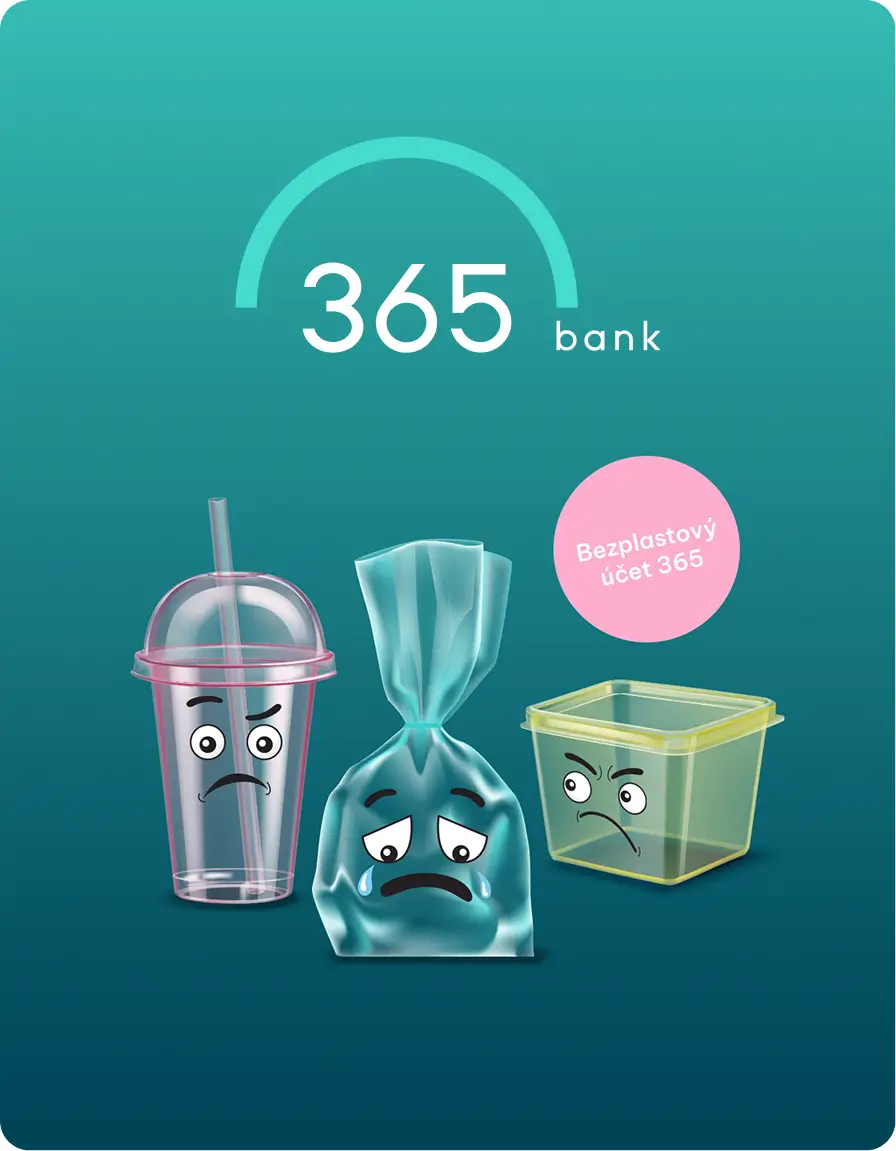
On the other hand, Emotional decision-making is much faster and more intuitive. It works on the basis of feelings, impressions, and subconscious associations. It often takes place on an unconscious level—the customer doesn’t even realize why they chose a particular product, but feels that „it’s the right choice.“ For example, ads featuring happy people enjoying life can create an emotional connection to a product, even if the customer didn’t originally plan to buy it.
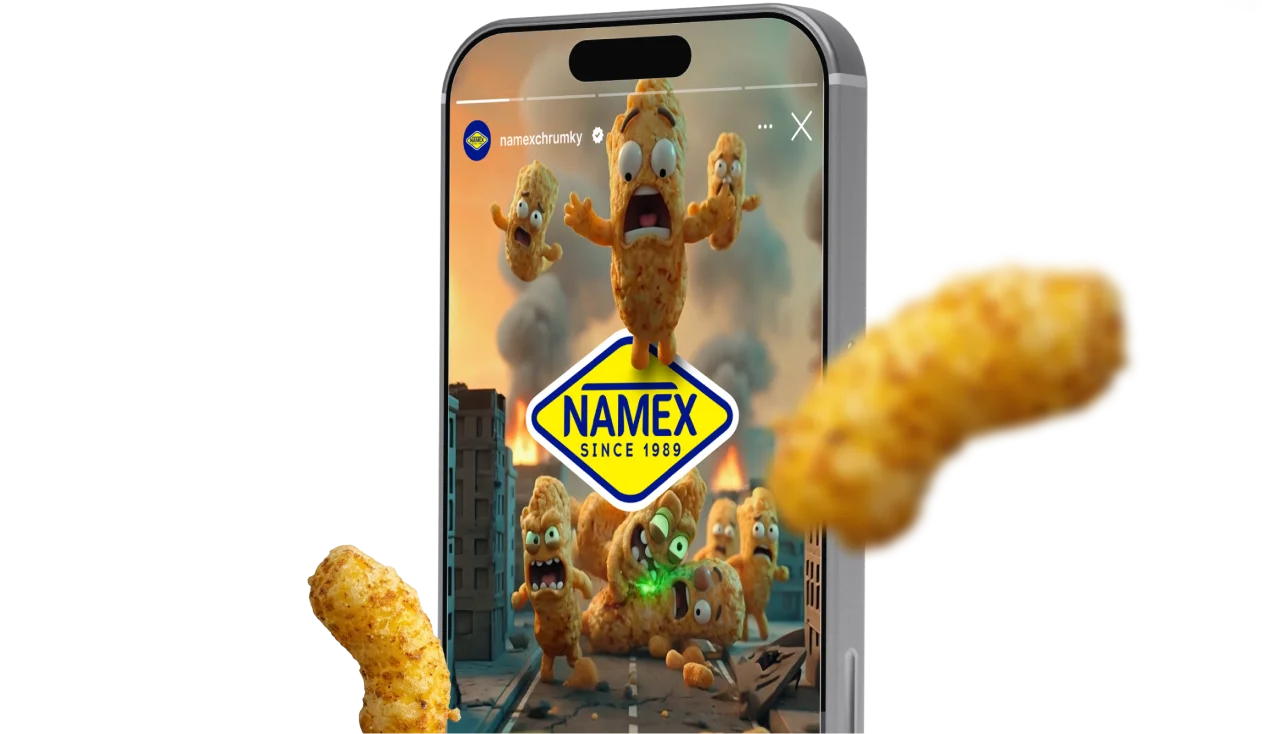
Neuromarketing shows that as many as 95 % of our purchasing decisions are influenced by emotions. For this reason, brands don't just sell products—they also sell stories and emotions. For example, Coca-Cola For many years, the brand has been associated with joy, friendship, and shared moments. Its iconic Christmas commercials and campaigns create positive associations and subconsciously convey to customers that Coca-Cola is an integral part of life’s pleasant moments.

Neuromarketing in Practice: How Does It Work in the Real World?
Neuromarketing uses insights from the neurosciences to understand how consumers respond to various marketing stimuli. In practice, these insights are applied in various ways:
Testing Advertising Content
Before Getting Started advertising campaign Companies can show ads to volunteers and monitor their brain activity using EEG or fMRI. In this way, they identify the most compelling parts of the ad and determine to what extent viewers remember them. However, this method is mostly used only by larger, globally recognized companies.
“The packaging sells the product”
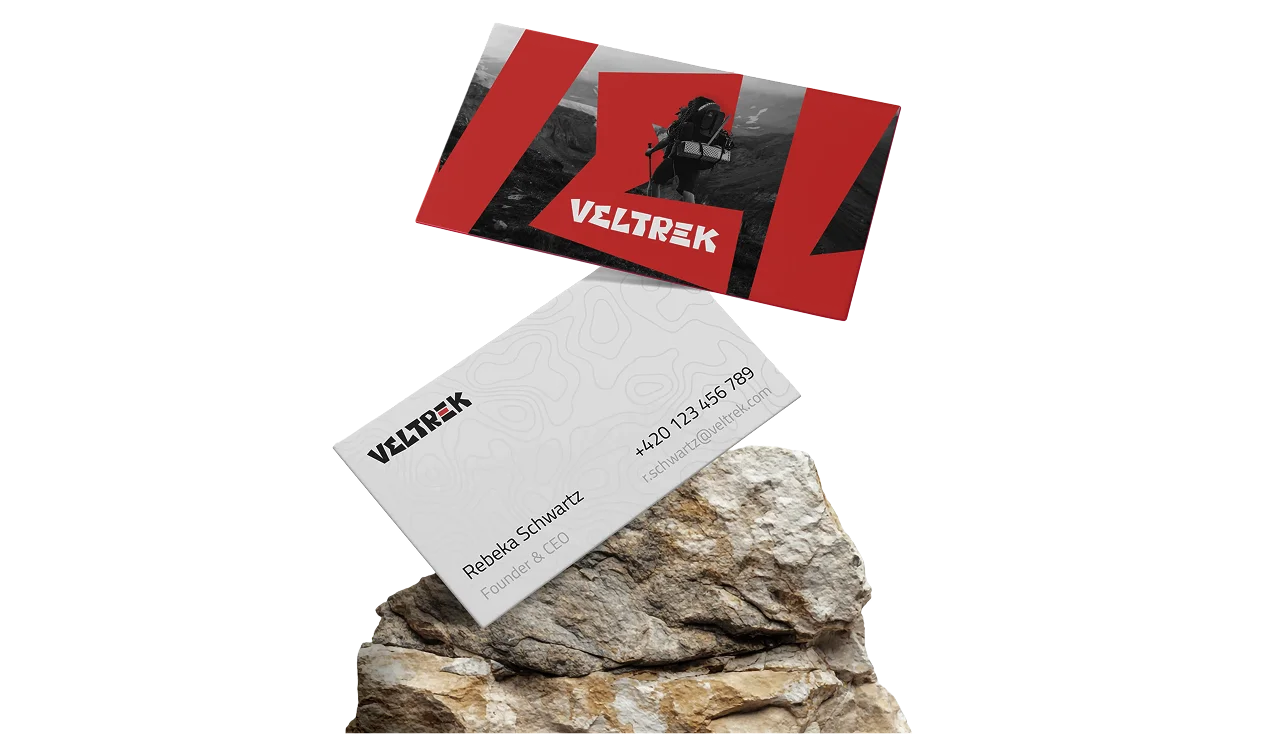
A product's design and packaging can significantly influence a customer's decision; it is not only the visual aspect that matters, but also the emotions it evokes. Colors, materials, shapes, and textures can subconsciously inspire a purchase—pastel colors evoke luxury, while rich and contrasting colors attract impulsive buyers. Even the weight of the packaging can influence the perception of a product’s value. Neuromarketing studies show that customers prefer packaging that is visually appealing, easy to read, and simple to use, which is why brands pay attention to details such as font type and how the package opens.
Layout of the Sales Area
The space where customers move around is more important than you might think. Neuromarketing helps analyze customer movement throughout the store, track their eye movements, and monitor their subconscious reactions to various product layouts. Strategically placing products at eye level or in impulse-buy areas near the checkout can increase the likelihood of a subsequent purchase.
Studies show that factors such as lighting, music, or scents, such as fresh baked goods at the supermarket, may subconsciously encourage customers to make a purchase. Companies can use these insights to create an environment that naturally extends the time customers spend in the store and, as a result, increases sales.
Pricing
A product’s price isn’t just a number—it’s a psychological factor. Neuromarketing examines how consumers perceive different pricing strategies and which numbers they find most acceptable. For example, the „number 9“ effect—a price of €9.99 is perceived as significantly cheaper than €10, even though the difference is minimal. In addition, there is the phenomenon of „price anchoring“, in which customers evaluate a product's price by comparing it to another amount—for example, if an expensive product and a cheaper one are displayed side by side, the consumer is more likely to choose the cheaper one, even though they might consider it expensive at a different price.
Companies can also use psychological pricing strategies, such as offering three products for the price of two, which gives customers the impression of a good deal. Likewise, the way prices are displayed (e.g., using a smaller font or omitting the € symbol) can reduce the perceived „pain of paying.“ The right pricing strategy can therefore not only increase sales but also improve the customer’s overall shopping experience.

After reading this article, you may have realized that marketing has a much greater impact on you than you thought. It’s all around us—in stores, on social media, even in the way products are displayed on the shelves. Companies that understand neuromarketing have a huge advantage because they can influence customers’ decision-making in a subtle yet effective way.
If you don't want your marketing to be just a random attempt, but a well-thought-out strategy with actual results, Please feel free to contact us – We'd be happy to help you with that!
- RECOMMENDED
You might also like

  September 22, 2026
  September 22, 2026
  September 22, 2026